TESLA CAR PRICE IN PAKISTAN 2026
When Tesla Motors rolled out the first Roadster in 2008, legacy automakers dismissed it as a niche toy for Silicon Valley billionaires. Fast forward to today, and “Tesla” is no longer just a car company—it is a verb. To be “Tesla-ed” means to have your entire industry disrupted by first-principles thinking.
Tesla didn’t just invent an electric car; it redefined what a car is. It decoupled horsepower from displacement, replaced the dealership handshake with a smartphone tap, and turned a liability (a battery) into the most advanced computer on wheels. This blog dissects the specific pillars of that redefinition, provides a complete feature breakdown, and gives you the hard numbers behind the revolution.
The Five Pillars of Tesla’s Redefinition
Before diving into the specs, we must understand how Tesla changed the rules of the road.
- The Powertrain Paradigm Shift: Traditional cars obsess over horsepower, exhaust notes, and transmission shifts. Tesla replaced the transmission with a single-speed gearbox and the engine with a skateboard battery. The result? Instant torque, zero lag, and a center of gravity so low that a Model S is physically harder to roll over than a Toyota Camry.
- Over-the-Air (OTA) Alchemy: In the old world, your car was a static device. What you bought on day one is what you died with on day 3650. Tesla turned cars into live devices. OTA updates add horsepower, improve range, fix recalls, and even add “Boombox” megaphone modes while you sleep in your garage.
- The Direct Sales Model: By eliminating franchised dealers, Tesla removed the single most hated part of car buying: haggling. The price on the website is the price you pay. No “market adjustments,” no dealer addendum stickers, no finance manager trying to sell you VIN etching.
- Vertical Integration: While Ford relies on Bosch for wipers and Magna for seats, Tesla builds everything from the seats to the self-driving chips in-house. This allows them to pivot faster. When chip shortages paralyzed GM and Toyota, Tesla rewrote its own software to use different chips overnight.
- The Charging Ecosystem: Range anxiety died the day the Supercharger V3 was launched. Tesla didn’t just sell a car; it built a continent-wide energy infrastructure. Plug in for 15 minutes, gain 200 miles. No other EV maker has a network this reliable.
Complete Feature Matrix & Description
Here is a detailed breakdown of Tesla’s core model lineup. Note that prices are base estimates (USD) before incentives, and features apply to the latest 2024-2025 generation models.
| Model | Powertrain & Range (Est.) | Key Defining Feature | Description of Innovation |
|---|---|---|---|
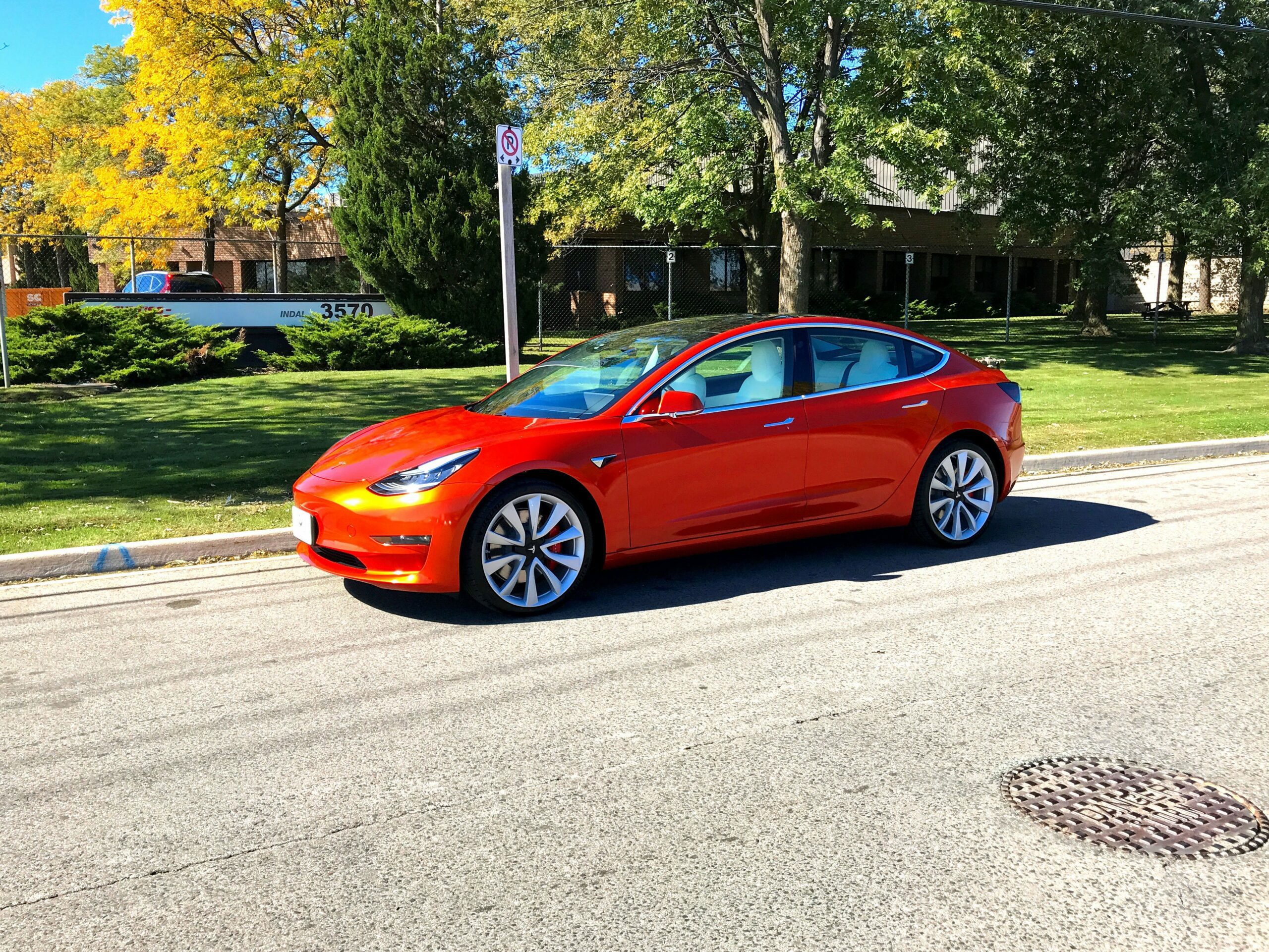
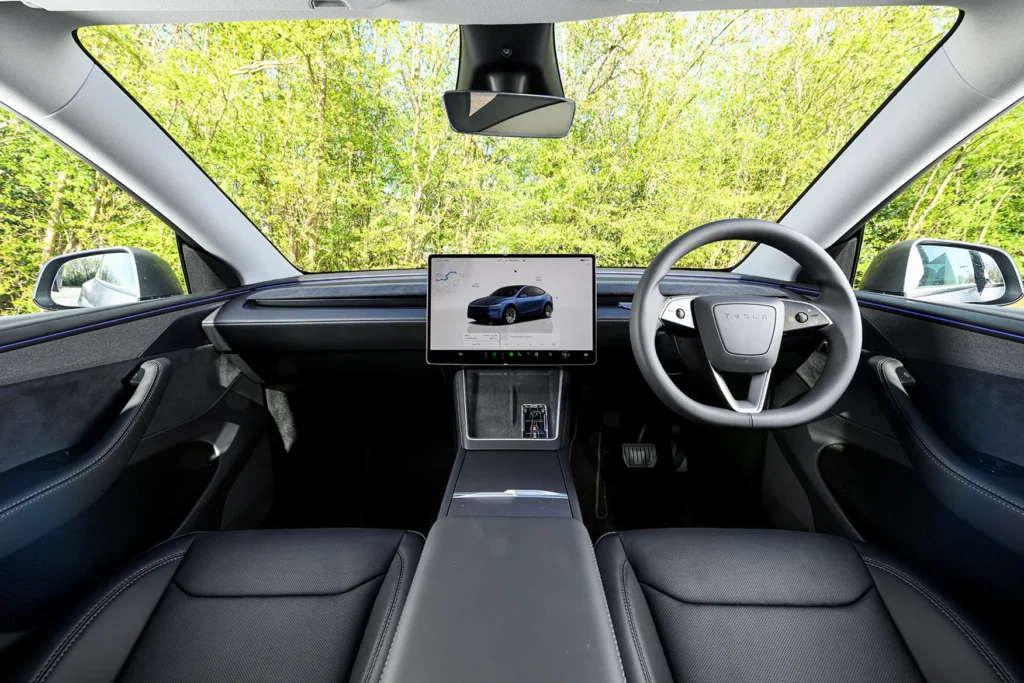
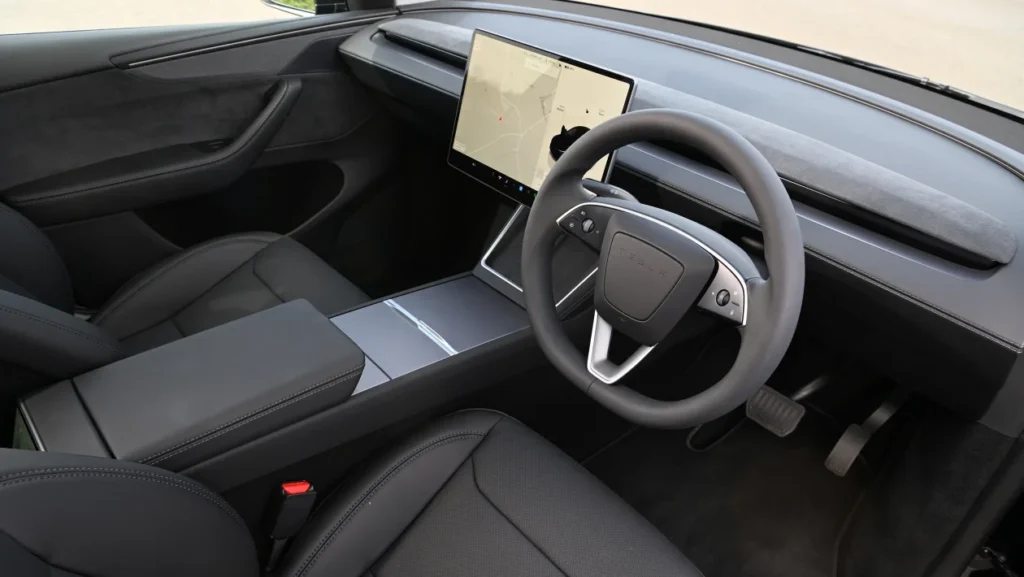
| Model 3 (RWD/LR/Performance) | 272 – 358 miles | Minimalist Cockpit | No instrument cluster. No stalks. Everything is controlled by a central 15.4-inch touchscreen or voice. It forces the driver to trust the machine. |
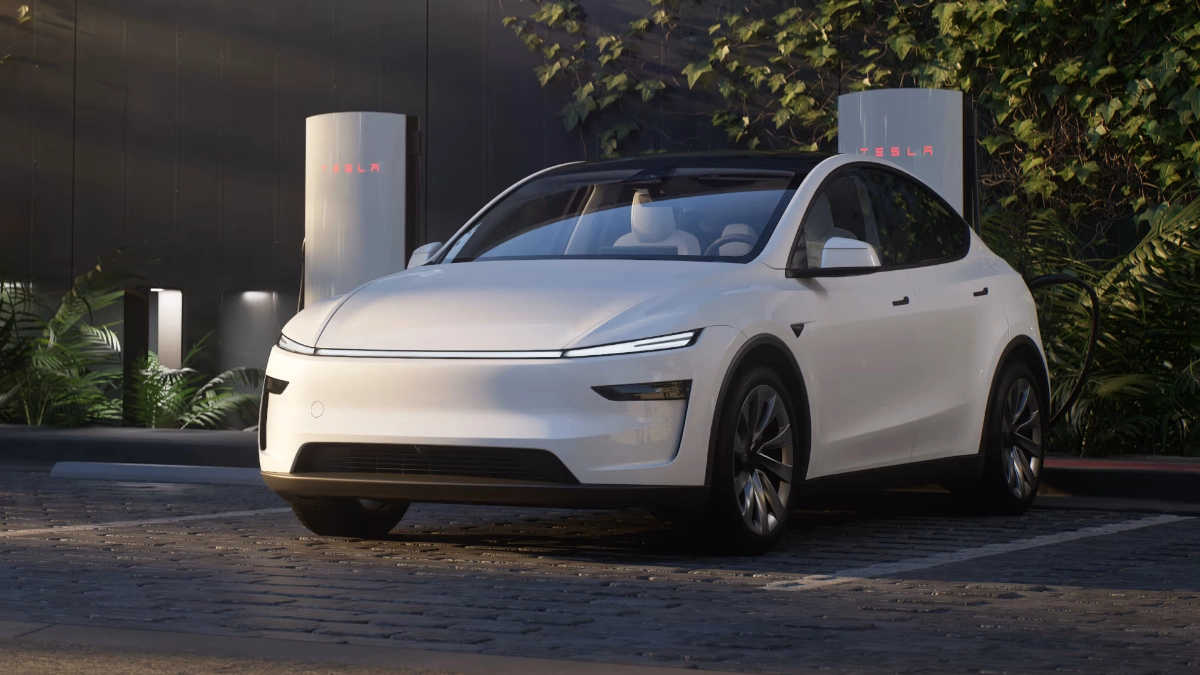
| Model Y (RWD/LR/Performance) | 260 – 330 miles | Cargo + Efficiency | The world’s best-selling car (2023). It combines the Model 3’s agility with SUV utility, featuring a heat pump that reduces range loss in winter by 30%. |
| Model S (Dual Motor/Plaid) | 396 – 402 miles | The Yoke & Shift on Screen | The Plaid does 0-60 in 1.99 seconds (with rollout subtracted). The yoke steering wheel (optional round wheel) removes the traditional gear stalk; you swipe to drive. |
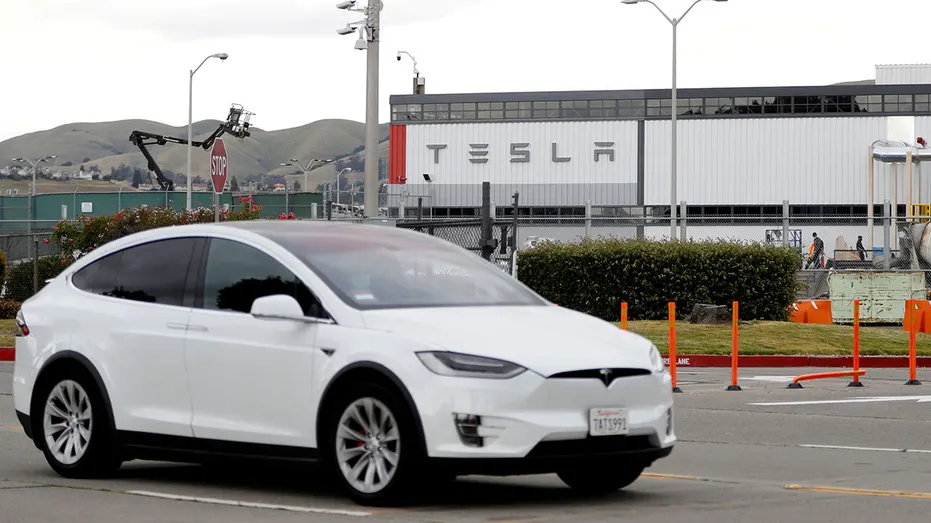
| Model X (Dual Motor/Plaid) | 335 – 348 miles | Falcon Wing Doors | Rear doors that open upward sensing the roof height. Includes a 17-inch cinematic display with 2200×1300 resolution for gaming. |
| Cybertruck (AWD/Cyberbeast) | 320 – 470 miles (w/ extender) | Stainless Steel Exoskeleton | Cold-rolled 30X stainless steel panels that are bulletproof (against 9mm rounds). Armor glass (crack resistant). Steer-by-wire (no mechanical steering column). |
Feature Deep Dive: What You Actually Get
Not all features are visible in a spec sheet. Here is a table of the software and hardware capabilities that distinguish Tesla from every competitor.
| Feature Category | Specific Feature | Description of Real-World Use |
|---|---|---|
| Autopilot (Standard) | Traffic-Aware Cruise & Autosteer | Keeps you centered in a lane at a set speed. It handles highway curves better than a human, but requires hands on the wheel. |
| FSD (Full Self-Driving) (Optional) | City Streets & Smart Summon | The car navigates intersections, stop signs, and roundabouts autonomously. “Smart Summon” brings the car to you in a parking lot like a RC car. |
| Entertainment | Tesla Arcade & Theater | Play Cyberpunk 2077 or The Witcher using the car’s steering wheel or a Bluetooth controller. Stream Netflix/YouTube while Supercharging. |
| Climate | Dog Mode & Camp Mode | Dog Mode keeps the AC at 70°F and displays “My owner will be back soon” on the screen. Camp Mode runs HVAC all night from the battery. |
| Security | Sentry Mode & Dashcam | Uses the car’s 8 cameras as a surveillance system. If someone leans on the hood, the screen lights up with a red eye, recording the perpetrator. |
| Phone Key | Bluetooth Unlock | You walk up to the car; it unlocks. You walk away; it locks. No fob. No button. It integrates with “Pin to Drive” (enter a code on screen to start). |
The Price of Redefinition (Base MSRP)
Pricing fluctuates monthly, but here is the current landscape for a new 2025 order. Note: Prices exclude $1,640 destination fee.
| Model Variant | Starting Price (USD) | Value Proposition |
|---|---|---|
| Model 3 (RWD) | $38,990 | The entry point. Cheaper than average new car in the US ($48k), but faster than a BMW 3-series. |
| Model 3 (Long Range) | $47,990 | Best range (363 miles) per dollar in the industry. |
| Model Y (RWD) | $43,990 | Best family value. Huge interior, lowest maintenance costs. |
| Model Y (Performance) | $52,490 | 0-60 in 3.5 secs. Hauls a family and beats a Porsche at a stoplight. |
| Model S (Standard) | $74,990 | The grand tourer. 405 miles range. More efficient than a Prius, faster than a supercar. |
| Model S (Plaid) | $89,990 | Sub-2-second 0-60. Literally acceleration that causes involuntary breathing loss. |
| Model X (Standard) | $79,990 | Falcon wings and seating for 7. The minivan for people who hate minivans. |
| Cybertruck (AWD) | $79,990 | Stainless steel exoskeleton. 11,000 lbs towing capacity. Indestructible vibe. |
| Cybertruck (Cyberbeast) | $99,990 | Tri-motor. 0-60 in 2.6 secs for a 6,800 lb truck. Ridiculous. |
The Competitive Landscape: Tesla vs. The World
How does the redefinition hold up against legacy automakers (Ford, Hyundai) and new rivals (Rivian, Lucid)?
| Aspect | Tesla (The Redefiner) | Legacy Competition (The Adaptors) |
|---|---|---|
| Charging Network | 45,000+ Superchargers. Plug & Charge (no app). | Mostly CCS or NACS (adopting Tesla’s plug now). Often broken or slow (EA). |
| Software | Android/iOS level polish. Weekly updates. | Glitchy. Requires dealer visit for updates. Slow CPUs. |
| Efficiency | 3.8 – 4.2 miles per kWh. | 2.5 – 3.2 miles per kWh. Heavier, less aero. |
| Resale Value | High (depreciates slower than Honda). | Rapid depreciation for non-Tesla EVs (e.g., Mach-E, BZ4X). |
| Build Quality | Improved but inconsistent panel gaps. | Excellent fit/finish, but boring mechanical design. |
Is It Worth the Hype?
Let’s be realistic. Tesla has redefined the category, but not without flaws. The ride quality on a Model Y is stiff. The “vision-only” parking assist is inferior to the old ultrasonic sensors. And if you need a replacement windshield, you might wait three weeks for a part.
However, the redefinition is undeniable. You are not buying a car; you are buying a platform for mobility. A 2012 Model S still gets OTA updates. A 2024 Model 3 is faster than a 2020 Model 3 Performance because of free software updates.
The Verdict: If you want the quietest cabin and a plush leather interior, buy a Mercedes EQS. If you want to drive the future—where your car learns, improves, and out-accelerates hypercars while costing pennies to “refuel”—buy a Tesla.